Urethane Cement
What is Urethane Cement Flooring?
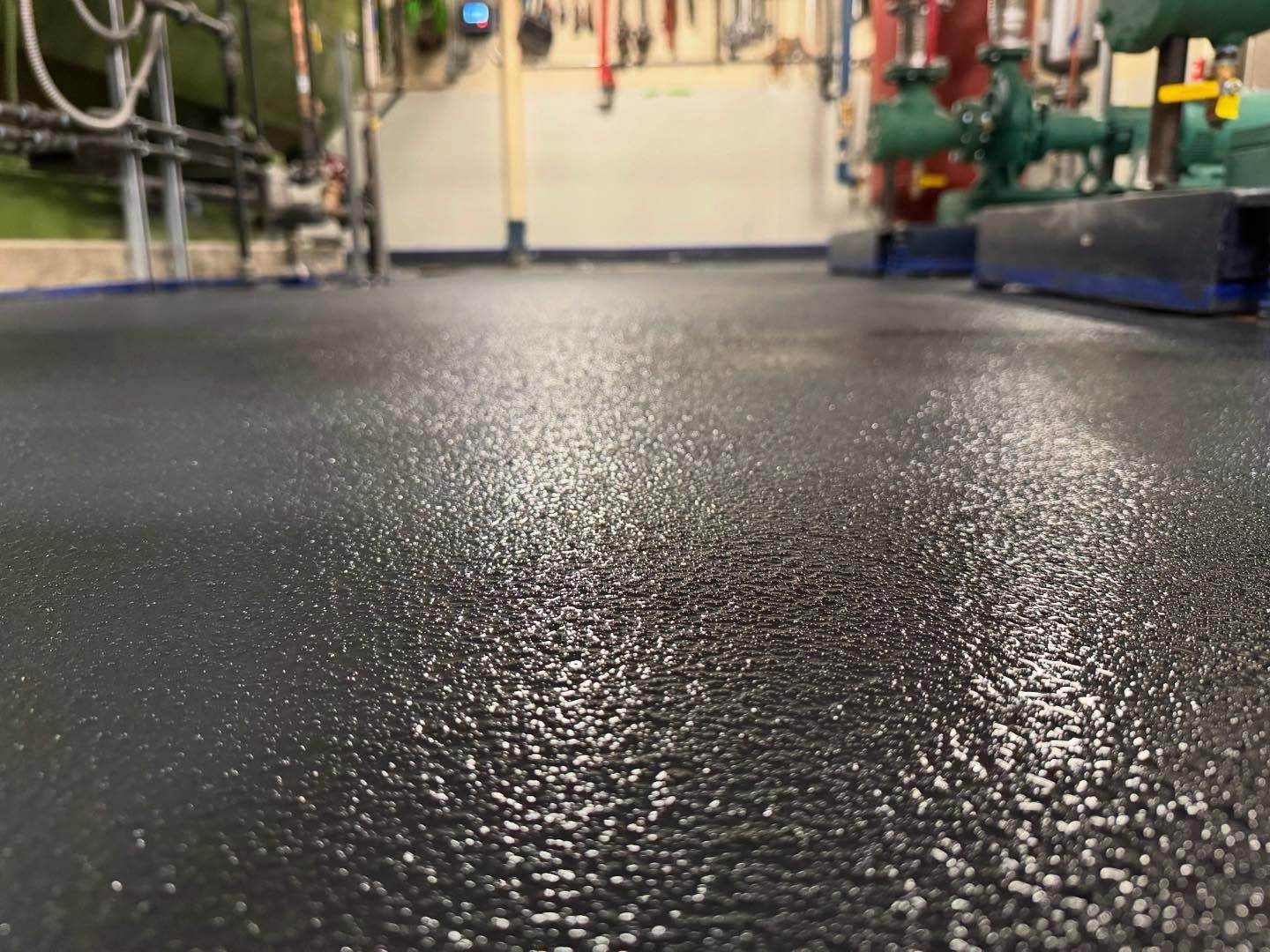
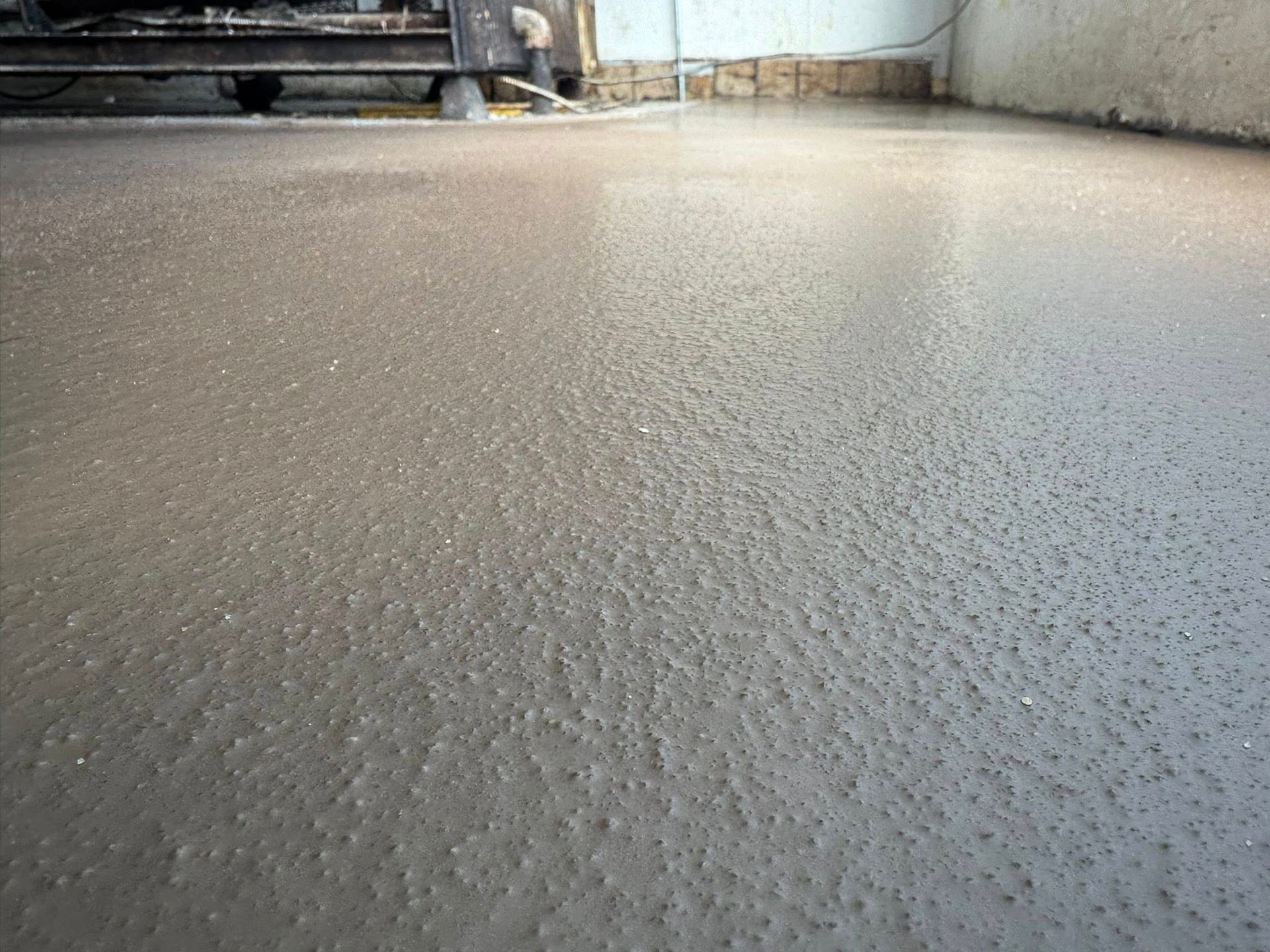
Urethane cement, also known as cementitious urethane, polyurethane cement, or urethane mortar, is a high-performance, heavy-duty flooring system designed for demanding industrial and commercial environments. It's a seamless, resinous overlay that combines the toughness of concrete with the flexibility and chemical resistance of urethane polymers. Unlike traditional concrete or epoxy coatings, it's engineered to withstand extreme conditions like thermal shock, heavy impacts, and harsh chemicals, making it a go-to for facilities where standard floors would fail quickly.
Composition
Urethane cement is typically a three-component system:
- Urethane (Polyurethane) Resin: The polymer binder that provides flexibility, adhesion, and chemical/thermal resistance.
- Hardener: A curing agent that reacts with the resin to form a durable matrix.
- Cementitious Filler/Aggregate: Includes Portland cement, water, silica sand, or other aggregates, and sometimes additives to enhance properties such as slip resistance or faster curing.
This hybrid blend creates a thick (often 1/4" to 3/8"), non-porous surface that's twice as strong as regular concrete in compression. The materials expand/contract at rates similar to concrete, preventing delamination or cracking.
Why and Who Would Benefit from Urethane Cement?
Urethane cement excels in aggressive environments, offering a balance of durability, hygiene, and quick installation that outperforms alternatives such as epoxy or polished concrete in specific scenarios.
Key Benefits
- Thermal Shock Resistance: Handles drastic temperature swings (e.g., from freezing coolers to hot washdowns up to 200°F+) without cracking—ideal for steam cleaning or hot oil spills.
- Impervious to acids (pH 4-7) and alkalis (pH 7-10), solvents, oils, and organic materials; blocks liquid penetration and bacterial growth for sanitary surfaces.
- Durability and Impact Strength: Resists heavy traffic, forklifts, machinery, abrasion, and impacts; non-porous and slip-resistant even when wet.
- Fast Installation and Cure: Can be applied over "green" concrete (7-10 days old), cures quickly (often walkable in hours), has low odor/VOC, and allows rapid return to service—minimizing downtime.
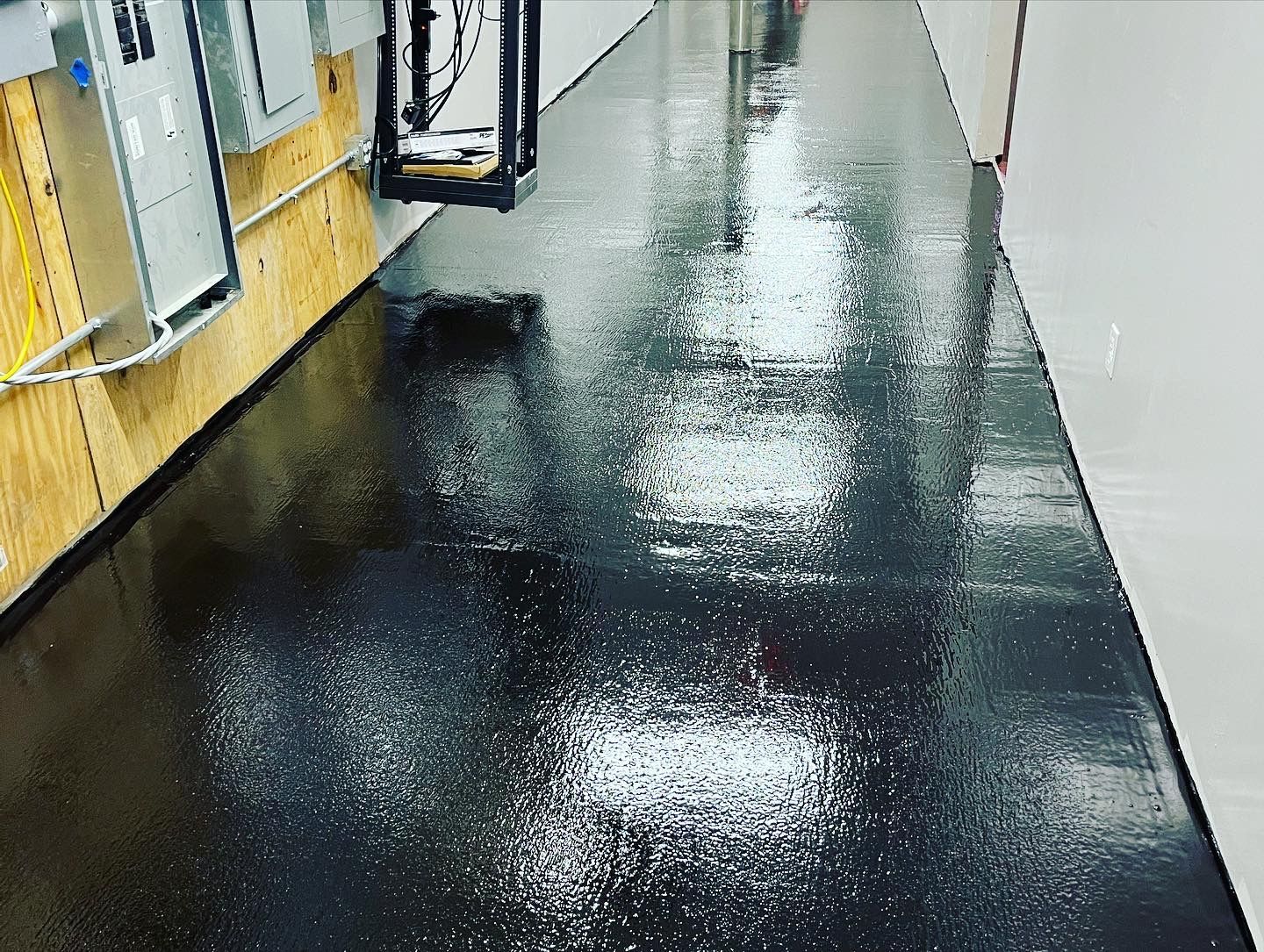
- Seamless design reduces dirt/grime buildup; easy to clean and meets USDA/FDA food safety standards.
- Versatility: Customizable thickness, textures, and colors; can repair/resurface old concrete affordably.
Drawbacks include a higher upfront cost than basic coatings and the need for professional installation, but long-term savings from reduced repairs/maintenance make it worthwhile.
Who Benefits?
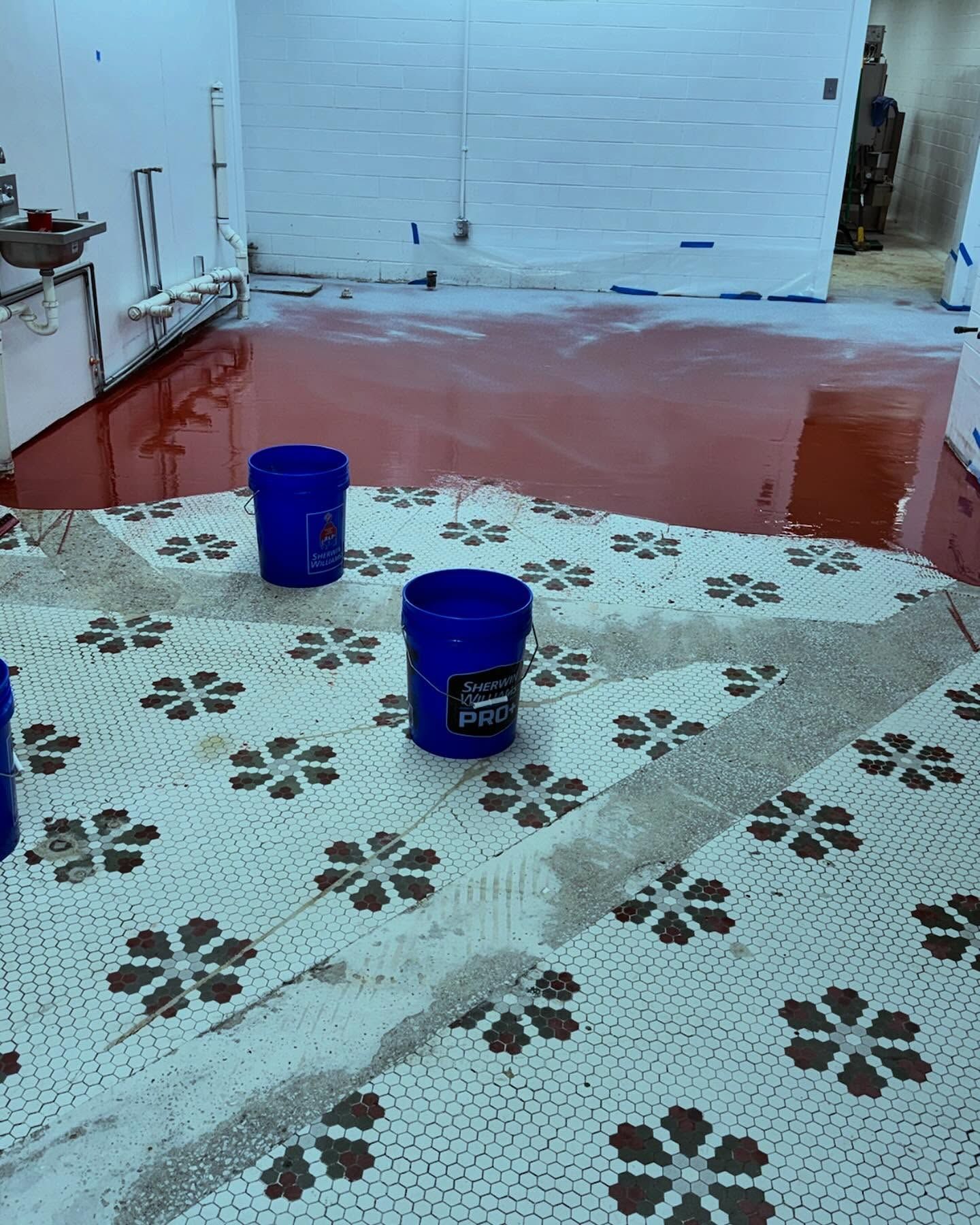
- Food & Beverage Industry: Commercial kitchens, processing plants, breweries, dairies, and meat facilities—benefit from thermal/chemical resistance during hot sanitizing or cold storage.
- Pharmaceuticals and Cleanrooms: Hygienic, non-porous surfaces prevent contamination in sterile environments.
- Manufacturing and Warehouses: Handles heavy machinery, chemicals, and traffic in automotive, chemical processing, or industrial plants.
- Commercial Spaces: Restaurants, hospitals, or labs needing durable, easy-clean floors with slip resistance. Anyone in high-abuse settings prioritizing longevity, safety, and compliance over initial cost would benefit—it's like "armor" for floors in harsh conditions.
How It's Becoming the Most Sought-After Flooring Solution?
Originally developed for the food industry in the late 20th century, urethane cement has surged in popularity over the last two decades due to evolving industry needs. By 2025-2026, it's hailed as the "unsung hero" of industrial flooring for its unmatched resilience in regulated, high-stress environments.
Key drivers:
- Regulatory Demands: Stricter hygiene/safety standards (e.g., FDA, OSHA) favor its antimicrobial, seamless design over porous alternatives.
- Sustainability Trends: Low-VOC formulas align with green building practices; longer lifespan reduces waste from frequent replacements.
- Performance Edge: Outperforms epoxy in thermal/chemical extremes and polished concrete in wet/abusive areas, with faster installs suiting fast-paced industries.
- Market Growth: Expanding use beyond food (e.g., pharmaceuticals, manufacturing) as awareness grows; sources note it's now "the go-to" for cost-effective, long-term durability in commercial spaces.
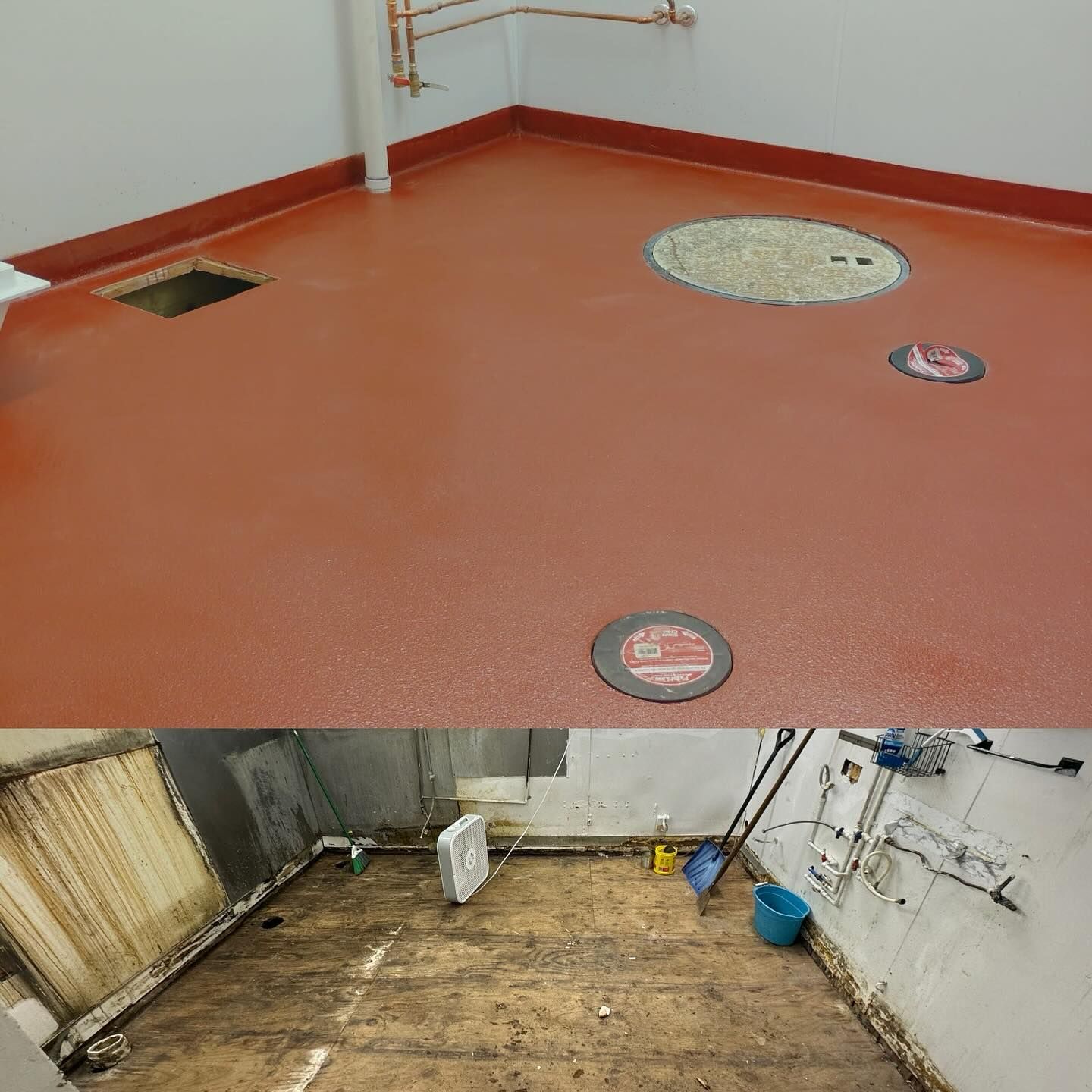
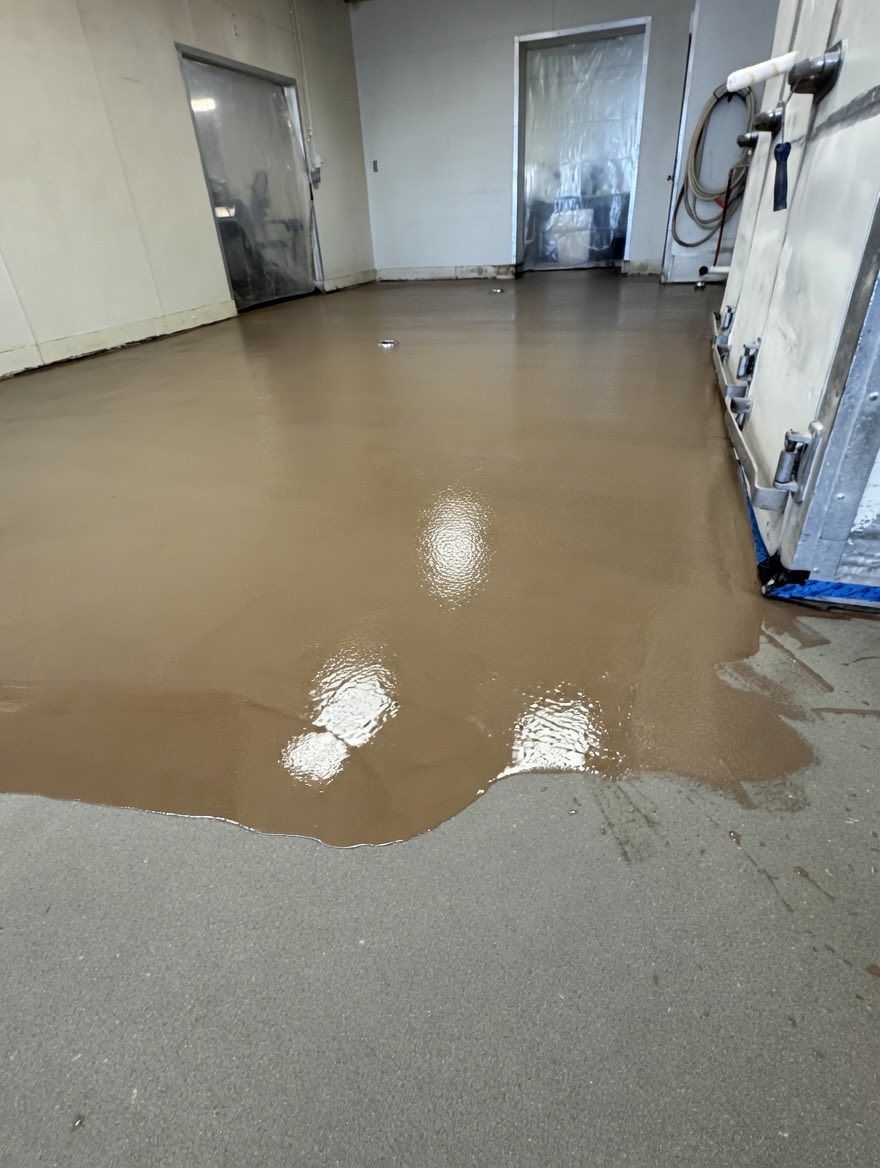
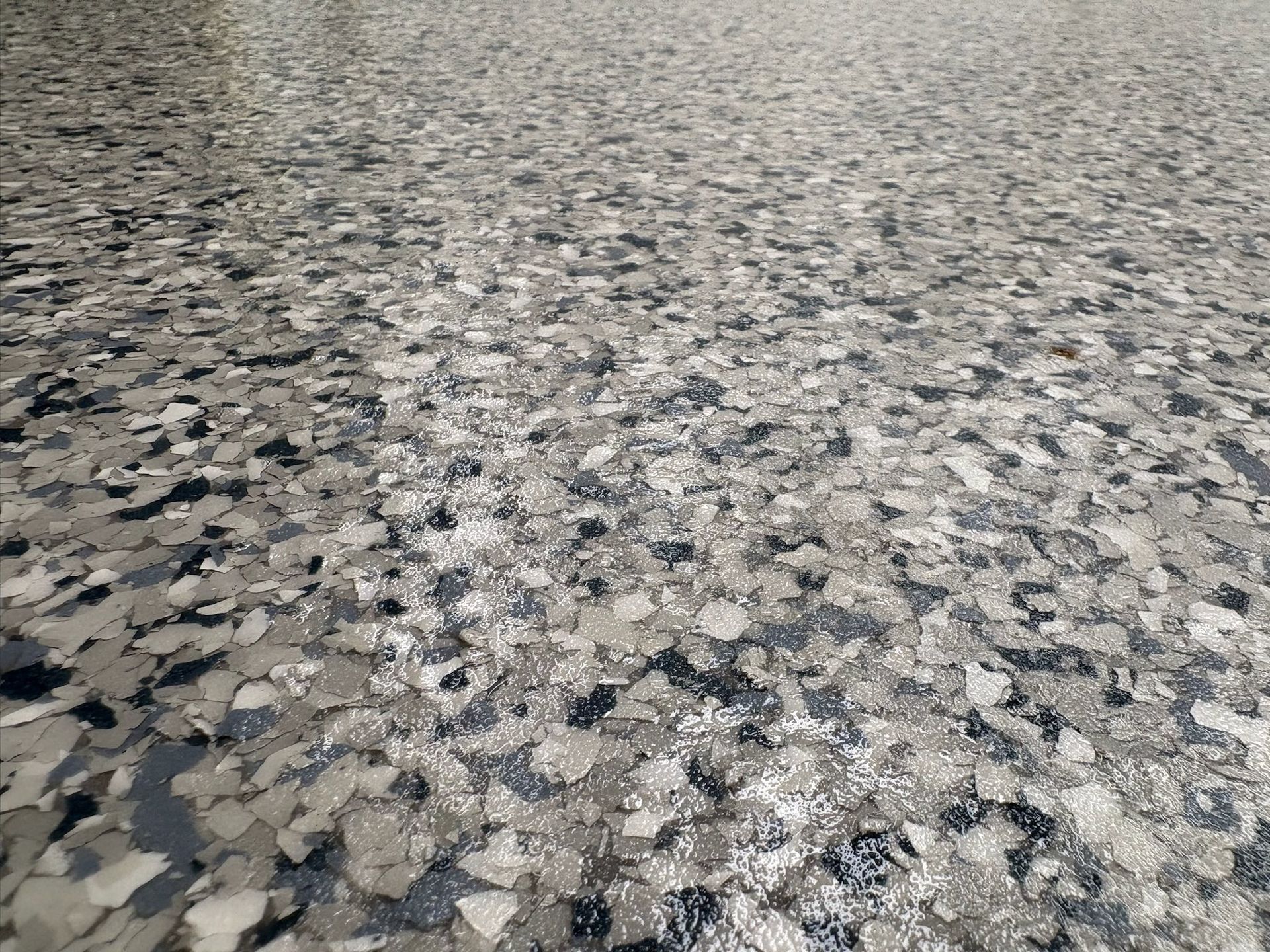
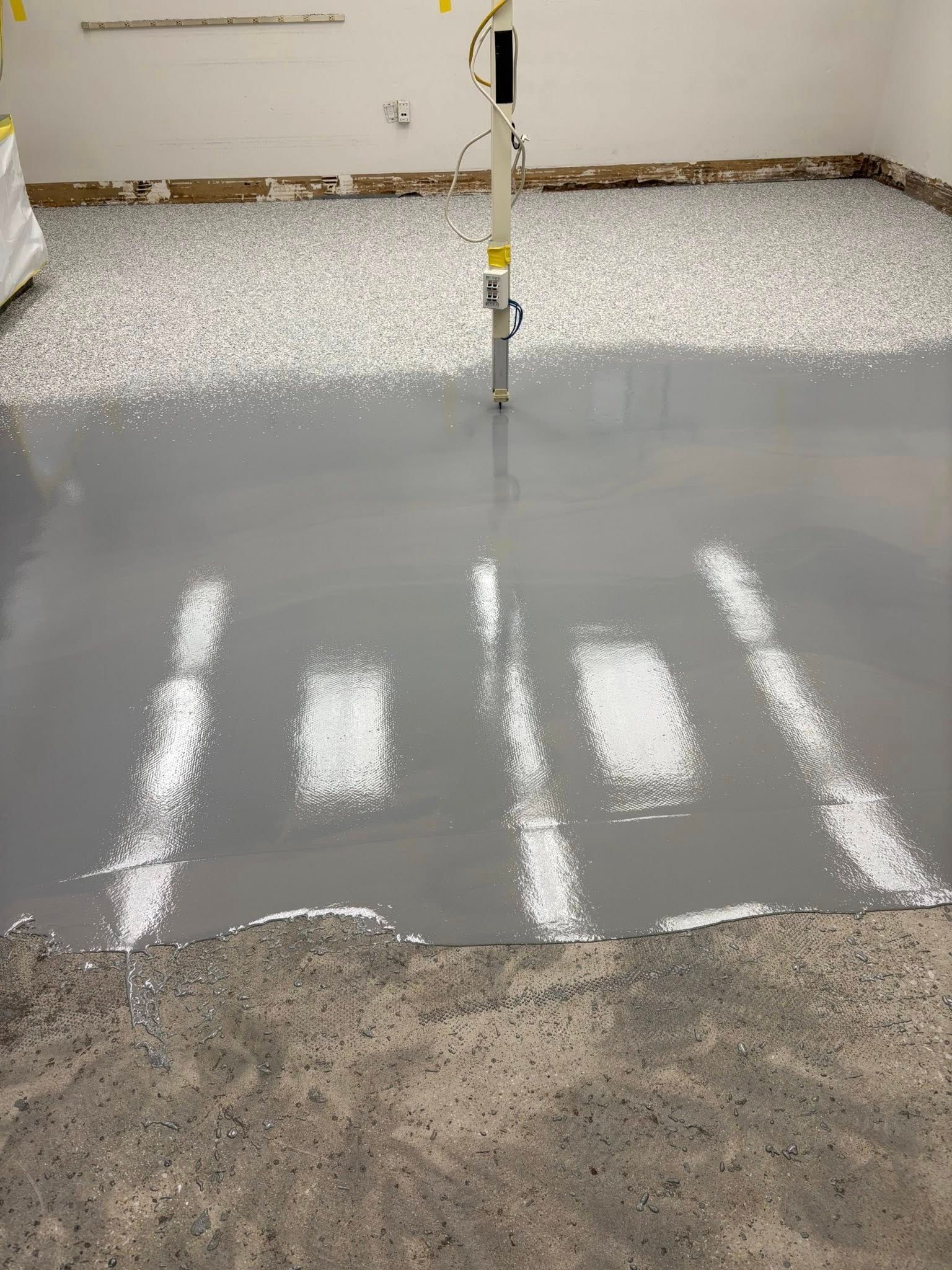
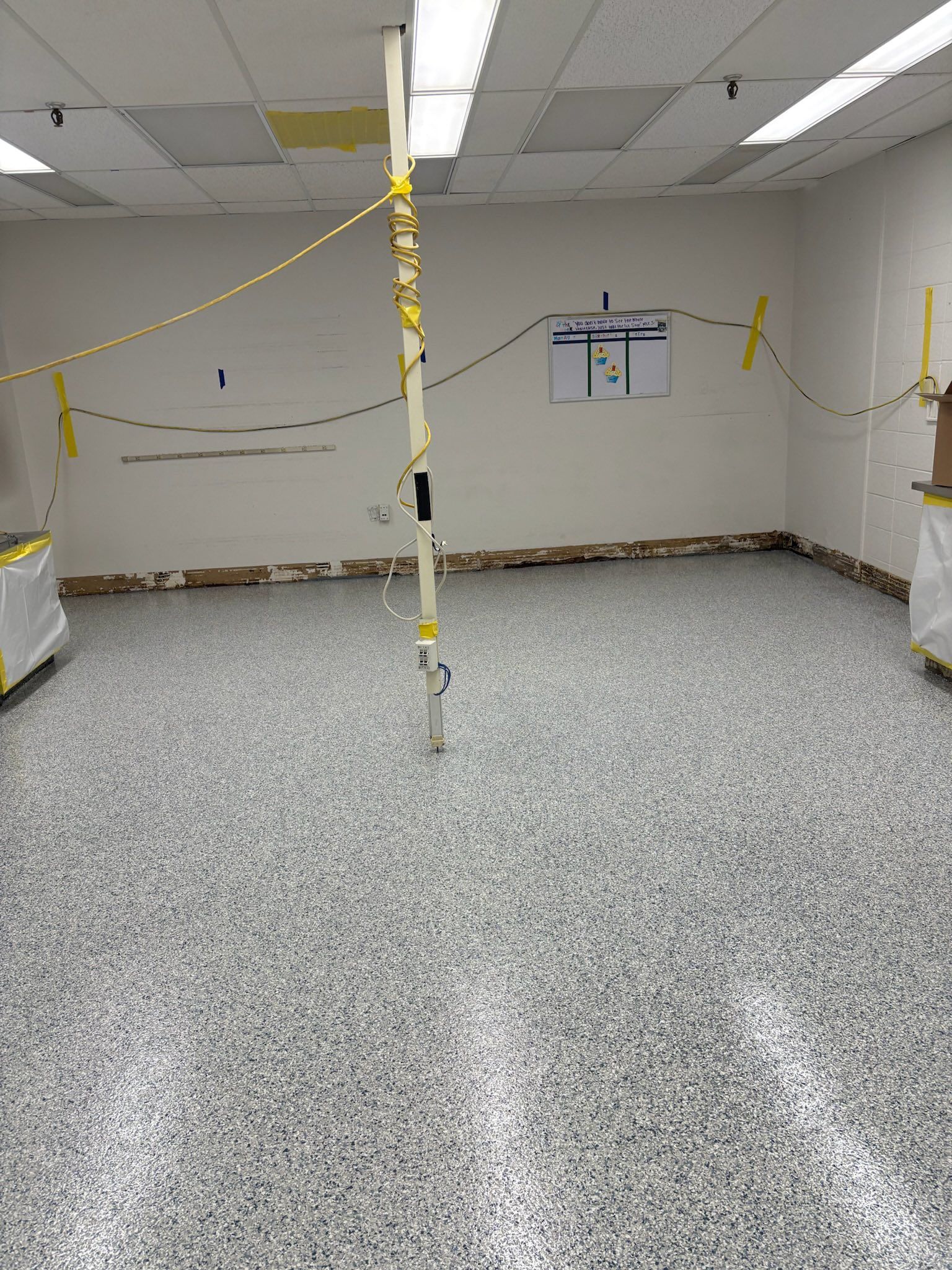
These are just a few of the clients we work with.